
Separation Anxiety in Lebanon: What’s Normal by Age, Red Flags, What to Do | Dr. Rawan Demachkie
Separation Anxiety in Lebanon: What’s Normal by Age + Red Flags + What to Do
Many children become clingier at drop-off, bedtime, or with new caregivers. That can be part of normal development. The key question is whether the pattern fits age and context, or whether it is severe enough to disrupt sleep, nursery, or daily functioning.
Clinic + online: Beirut, Jounieh, Jbeil/Byblos + online pediatric consultations for Lebanon and abroad.

Bring examples: drop-off reactions, bedtime protests, sleep changes, and what helps your child calm.
Fast answers parents search for
- Separation anxiety often starts in the second half of the first year and can continue through toddlerhood. :contentReference[oaicite:1]{index=1}
- It can become more visible at child-care drop-off, bedtime, or after stress and routine changes. :contentReference[oaicite:2]{index=2}
- Red flags are severity, persistence, impaired daily functioning, or regression beyond normal clinginess. :contentReference[oaicite:3]{index=3}
What separation anxiety often looks like by age
| Age | Often normal pattern | What parents notice | When to look closer |
|---|---|---|---|
| 6–12 months | Beginning clinginess with unfamiliar people or separation | Crying when parent leaves room, harder bedtime | If there is no calming with familiar caregiver or major feeding/sleep decline |
| 1–2 years | Clinginess can increase with independence and routine changes | Tantrums at drop-off, wanting one parent, harder sleep | If nursery, sleep, and daytime function are consistently impaired |
| 2–3 years | Resistance may continue, especially with transitions | Whining, clinging, protest at sitter or nursery | If fear becomes extreme or the child cannot recover after routine separations |
| Preschool age | Milder worry can still happen in new settings | Hesitation, crying at drop-off, needs reassurance | If school avoidance, major distress, or regression appears |
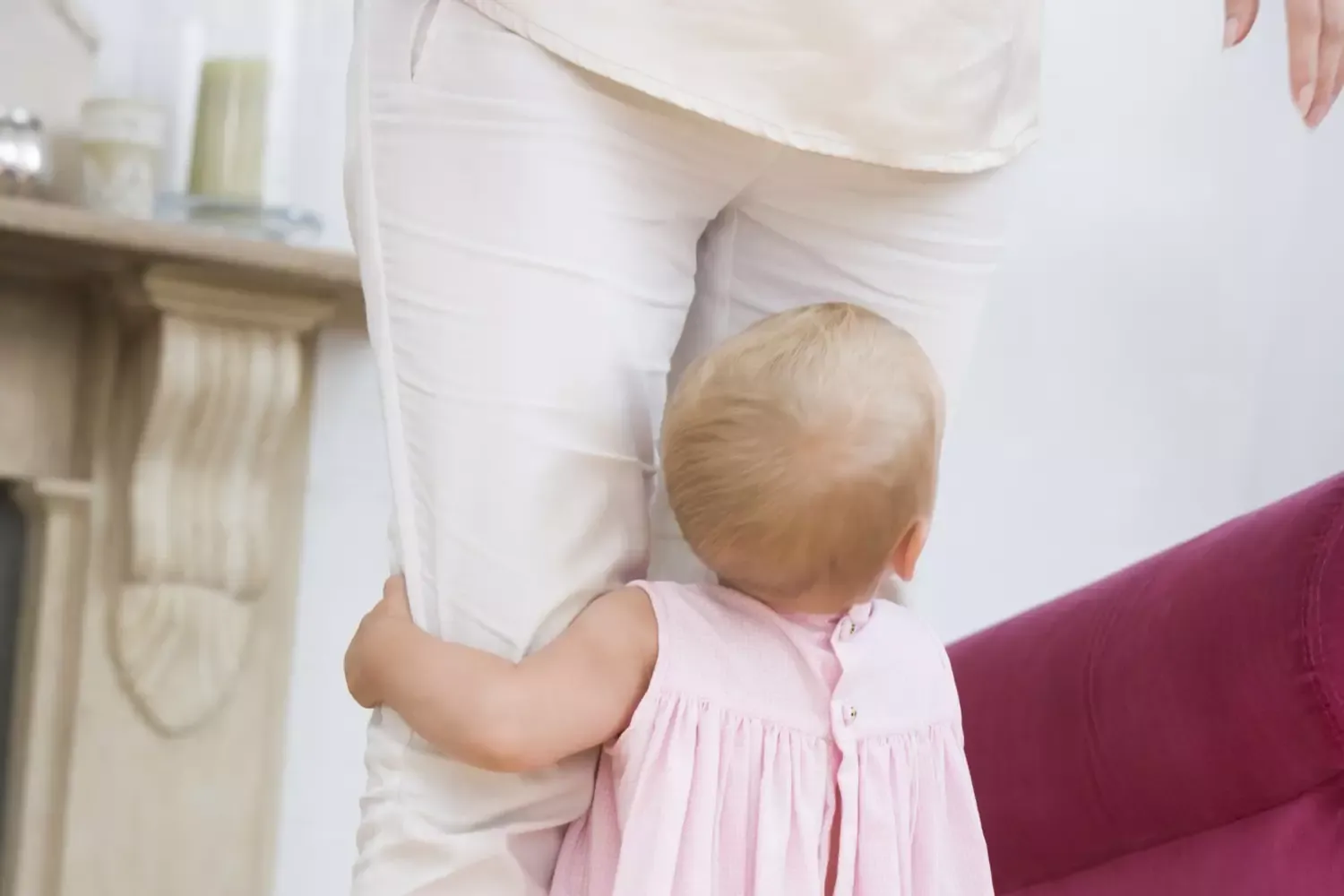
What usually helps
1) Prepare, then separate clearly
AAP guidance supports preparation and brisk, predictable transitions rather than long, uncertain goodbyes. :contentReference[oaicite:4]{index=4}
2) Keep routines steady
Regular sleep and drop-off routines reduce uncertainty and help recovery. :contentReference[oaicite:5]{index=5}
3) Watch for stress spillover
Stress can show up as clinginess, sleep disruption, irritability, or regression. :contentReference[oaicite:6]{index=6}
Typical clinginess vs red flags
| What you see | Often typical | Red flag | What to do |
|---|---|---|---|
| Drop-off crying | Short protest then settles with routine caregiver | Cannot settle, severe distress every time, worsening over time | Book evaluation if persistent |
| Bedtime clinginess | Needs reassurance and predictable routine | Sleep falls apart with daytime decline or marked fear | Review sleep and stressors |
| Clinginess after stress | Temporary need for more reassurance | Regression, major irritability, school refusal, or daily impairment | Book if persistent |
| Preference for one parent | Common, especially when tired or sick | Extreme dependence that blocks normal caregiving routines | Build plan and assess full context |
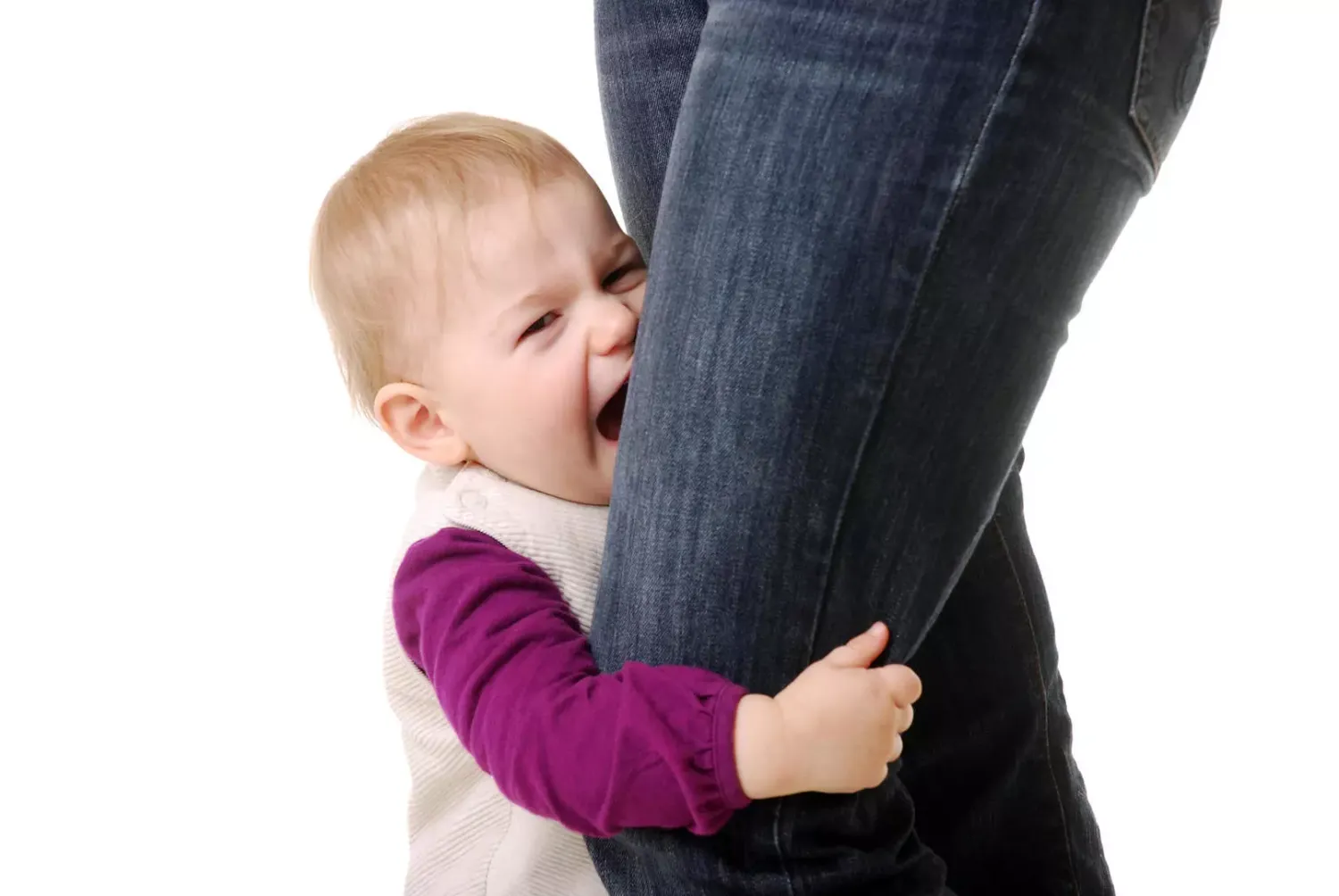
When you should book a pediatric evaluation
- Separation distress is severe, persistent, or worsening.
- Nursery, school, sleep, or daily functioning is clearly impaired.
- There is regression, major behavior change, or broad stress symptoms.
- You suspect a developmental, hearing, sleep, or broader anxiety issue is contributing.
Book a separation-anxiety concern consult
Book a clinic visit in Beirut, Jounieh, or Jbeil/Byblos, or start with an online consultation to review triggers, sleep, drop-off patterns, and next steps.
FAQ: Separation anxiety
At what age does separation anxiety usually start?
It often begins in the second half of the first year and can continue through toddlerhood. :contentReference[oaicite:7]{index=7}
Can separation anxiety affect sleep?
Yes. It can lead to harder bedtimes and more night waking in young children. :contentReference[oaicite:8]{index=8}
What helps at drop-off?
Preparation, predictable routine, and a brief clear goodbye usually help more than long repeated exits. :contentReference[oaicite:9]{index=9}
When is clinginess a red flag?
It is more concerning when it is persistent, worsening, clearly impairs daily life, or comes with regression or broader stress symptoms. :contentReference[oaicite:10]{index=10}
Can I start with an online pediatric consultation?
Yes. Online consultation helps review patterns, triggers, sleep effects, and whether an in-person visit is needed.
Helpful pages
Medical review note: This page is written and medically reviewed by Dr. Rawan Demachkie for Kids Health Journey Clinic to help parents understand separation anxiety and decide when to seek evaluation. It does not replace urgent medical evaluation when a child is unwell or in major distress.
Get the latest insights from the Pediatrician world.